
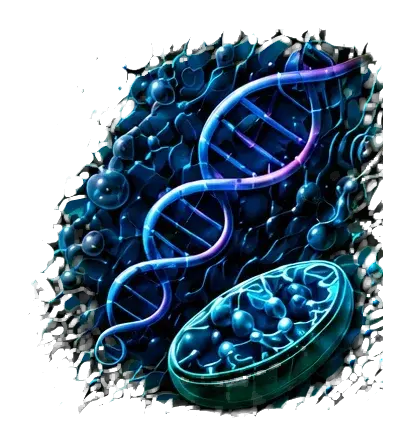
HEALTHY GENOME
- Intact DNA
- Normal Chromatin
- Healthy Mitochondria
- Stable Genome
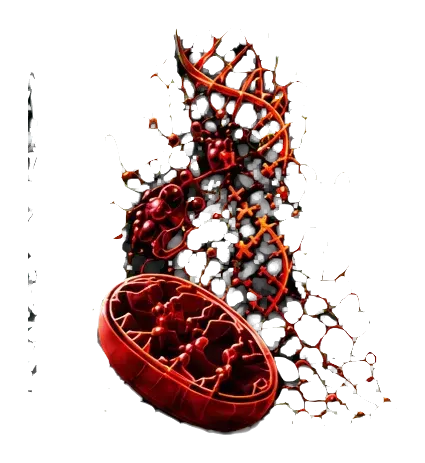
OXIDATIVE DNA INJURY
- Oxidative DNA Damage
- DNA Fragmentation
- Chromatin Injury
- Damaged Mitochondria
- Genomic Instability

OXIPASSIVE®
In Men's Reproductive Health
Restoring Redox Homeostasis in the Testicular Microenvironment.
Sperm Chromatin
DNA Oxidation
Redox Homeostasis
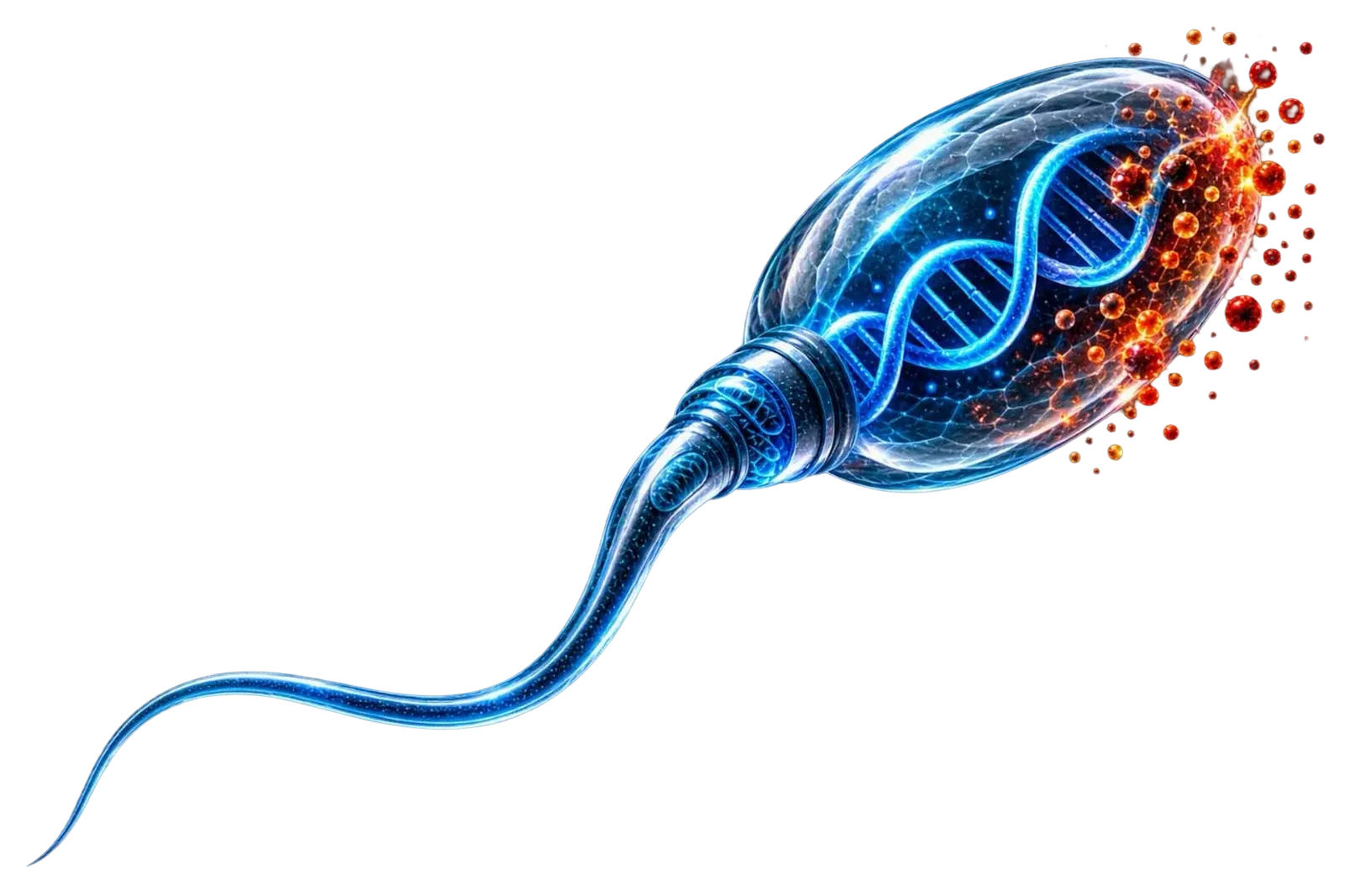
Healthy DNA
Intact Chromatin
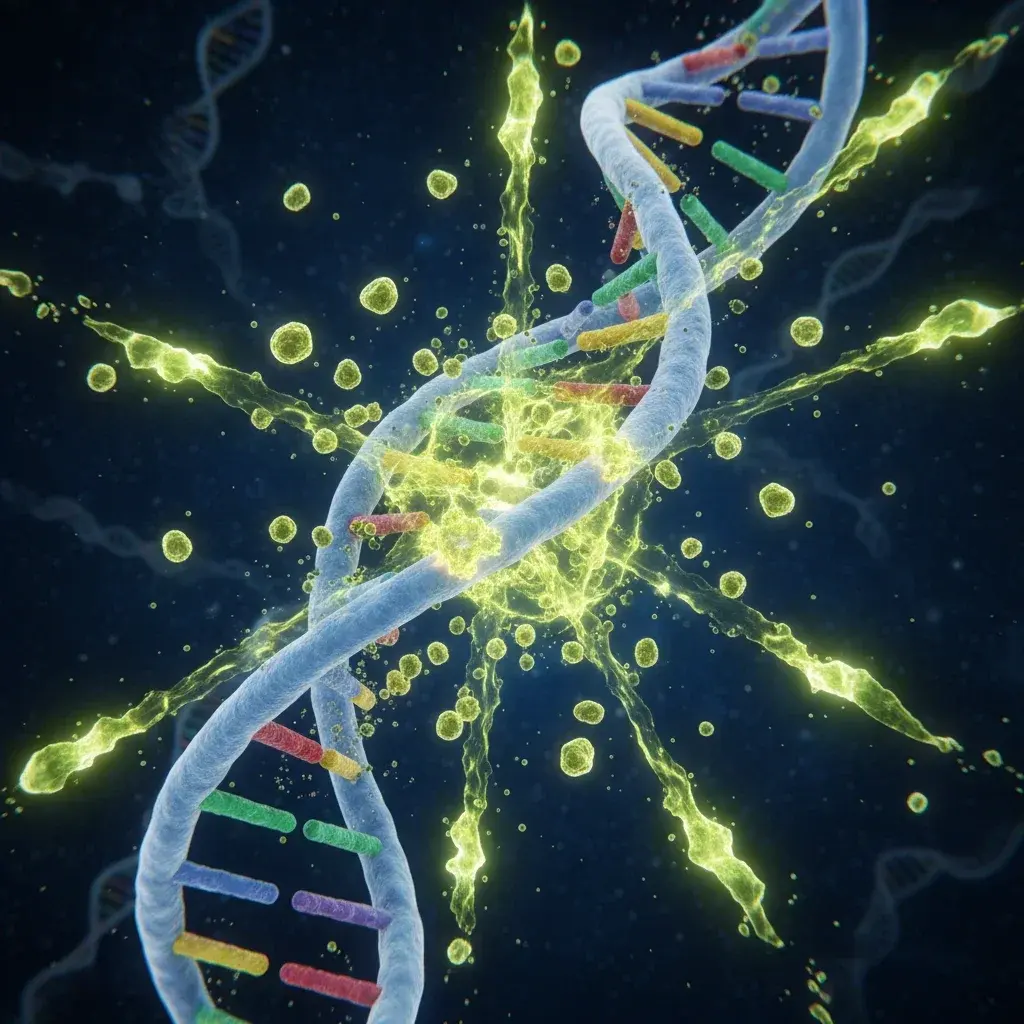
ROS Attack
Free Radical Burst
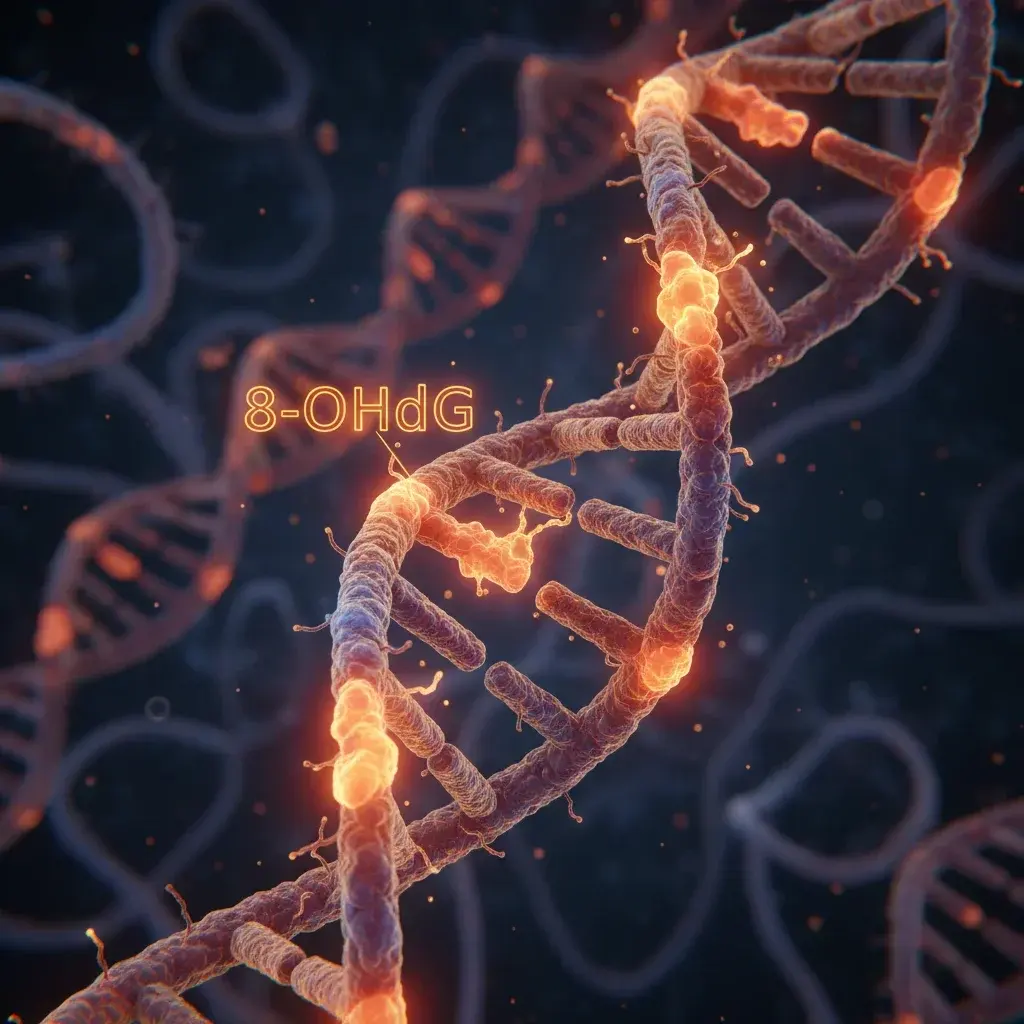
DNA Oxidation
Base Modification
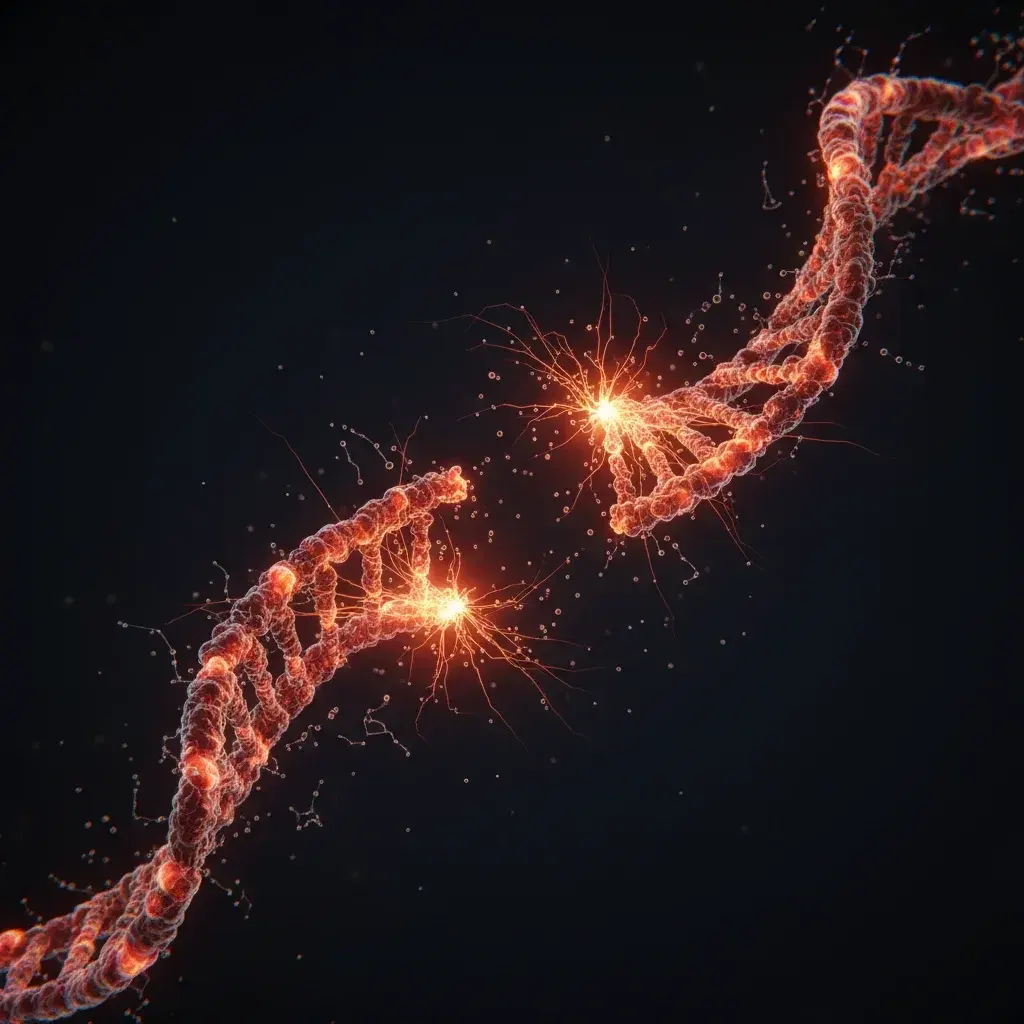
DNA Strand Breaks
SSB & DSB Events
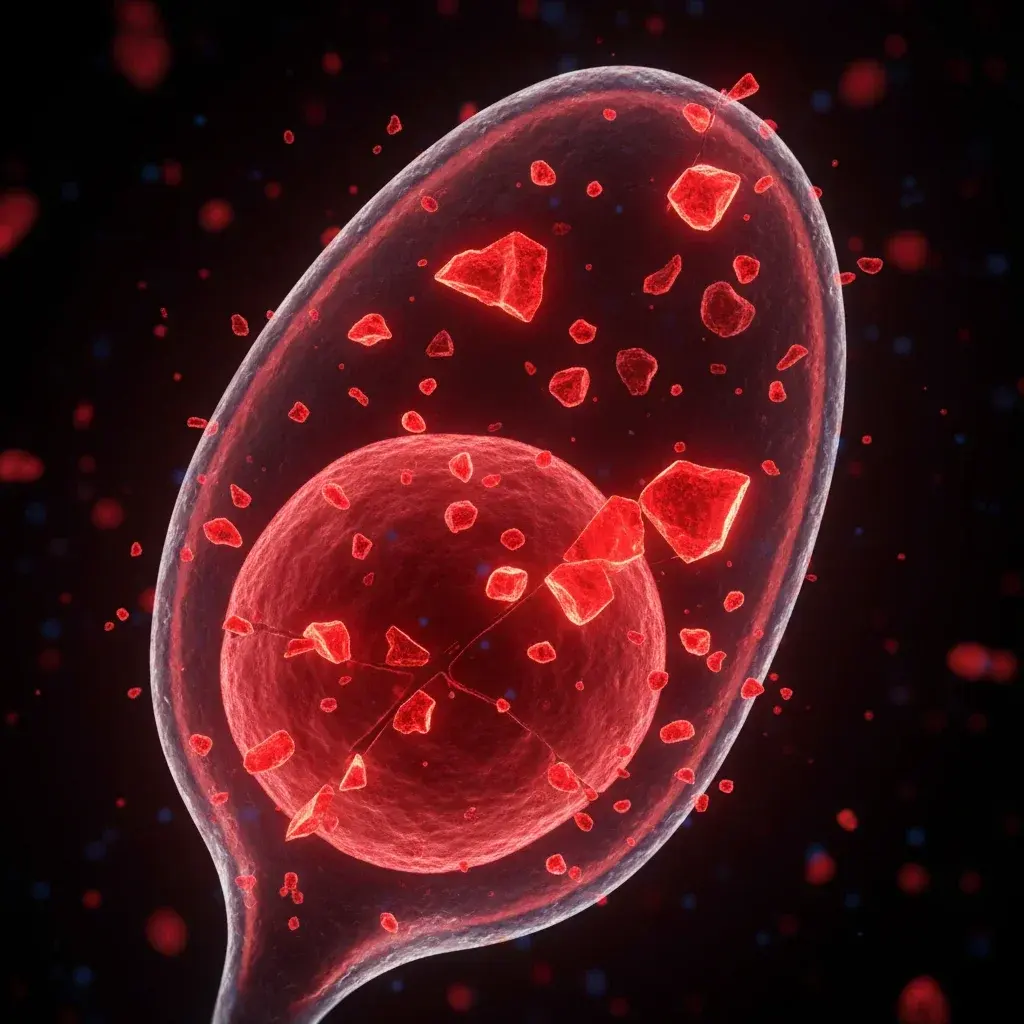
DNA Fragmentation
Chromatin Instability
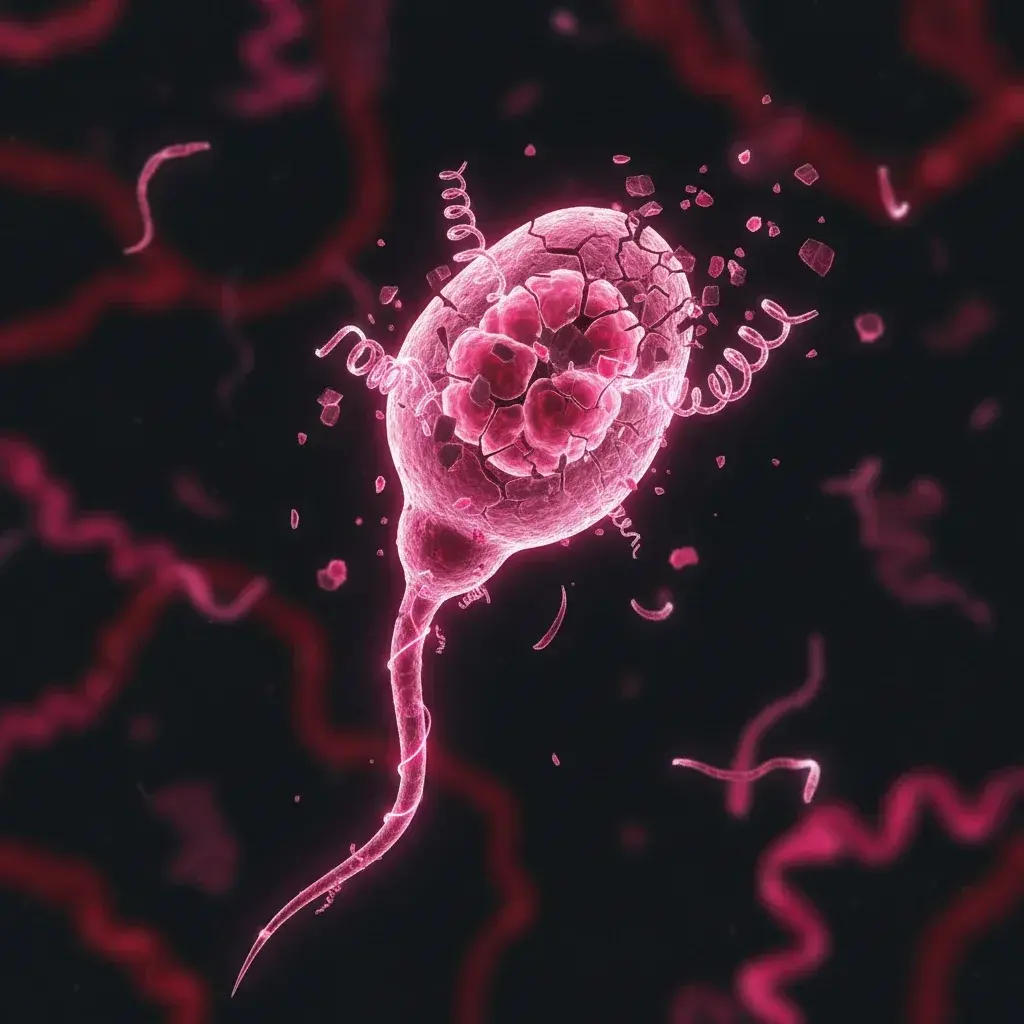
Reduced Reproductive
Potential
HEALTHY GENOME vs OXIDATIVE DNA INJURY

Identify the Right Patient Profile
Consider adjunctive redox support for patients presenting with the following clinical indicators.
Repeated ART Failure

Recurrent Pregnancy Loss
Persistent Unexplained Infertility
Recurrent Abnormal Semen Analysis
Multiple Oxidative Stress Risk Factors
CONSIDER Adjunctive Redox Support
Why Oxidative DNA Damage Matters
Persistent Oxidative Challenge
DNA Oxidation
DNA Fragmentation
Genomic Instability
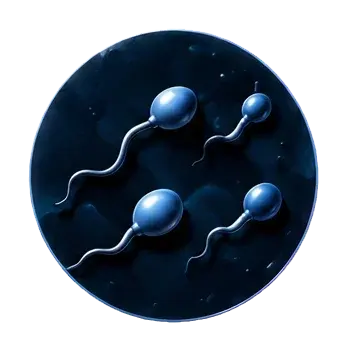
Reduced Infertility Potential
Oxidative Damage Progression
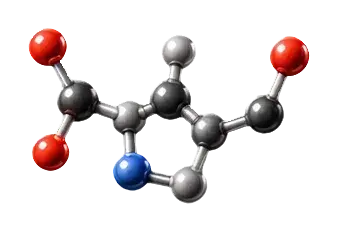
Supports endogenous glutathione biosynthesis
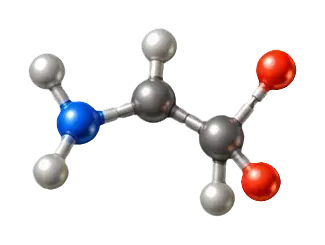
Directly acts as the tertiary substrate to complete glutathione molecule assembly
Supporting endogenous glutathione-dependent defense system. Maintaining genomic integrity through restoration of redox homeostasis.
Oxidative stress
DNA damage
Oxipassive Support
Improved Genomic Stability

Elevated sperm DNA fragmentation should be regarded as an advanced functional consequence of persistent oxidative stress rather than an independent disease entity.
Mechanism-oriented antioxidant strategies are intended to support physiological intracellular defense systems while preserving genomic integrity.
DNA Fragmentation Review
DNA Fragmentation Review
GlyNAC Biology
Glutathione Metabolism
Glutathione Synthesis
NAC & Chromatin Integrity
NAC & Semen Parameters
NAC Safety Review
Glycine & Lead Toxicity
Oxidative Stress & Male Infertility Review
Glutathione & Infertility Review